
Our ApproachThree commitments running through every project.

Three commitments run through every OneMark Properties project: environmental sustainability, user wellbeing, and execution innovation through industrialised construction.

Three commitments running through every project.

Sustainability

Sustainability

Our path is carbon neutrality.

For OneMark Properties, sustainability is not an isolated ethical pillar: it is both a non-negotiable social responsibility and a medium-term value driver for our assets. We integrate sustainability into every decision, from site selection through to handover.

Bioclimatic architecture

Every project is designed to take maximum advantage of the interaction between the natural environment and architecture: cross-ventilation, passive solar gain, strategic shading and all the elements of so-called passive architecture.

Construction decarbonisation

We choose industrialised construction, which dramatically reduces site waste. We progressively adopt materials with lower embodied carbon — or even capable of absorbing CO₂ from the atmosphere, as is the case with timber.

Full electrification

Our buildings are electrified from the ground up, eliminating dependence on fossil fuels for heating, hot water and cooking.

Energy intelligence

Efficient management of energy and water, with integrated photovoltaic generation and participation in Energy Communities. We are moving toward Zero Emissions buildings (NZEB — Nearly Zero-Energy Buildings).

Life cycle and circularity

Our buildings are designed not only for construction, but also for eventual deconstruction, with components and materials that can be recovered and recycled.

Certifications. We target energy class A+ certification and international ratings such as BREEAM, LEED, WELL or equivalents at their highest categories on every project.

Wellbeing

Wellbeing

Homes that care for those who live in them.

For OneMark Properties, a residential property is not only about shelter — it carries the responsibility of caring for the physical, emotional and cognitive wellbeing of its users. This conviction has a name: neuroarchitecture.

Neuroarchitecture applies the latest neuroscience research on how the human brain perceives and responds to environmental stimuli to built-space design. Natural light, air quality, acoustic comfort, material choice, biophilia, circulation patterns and spatial sequence — all measurably influence our stress levels, sleep quality, productivity and long-term health.

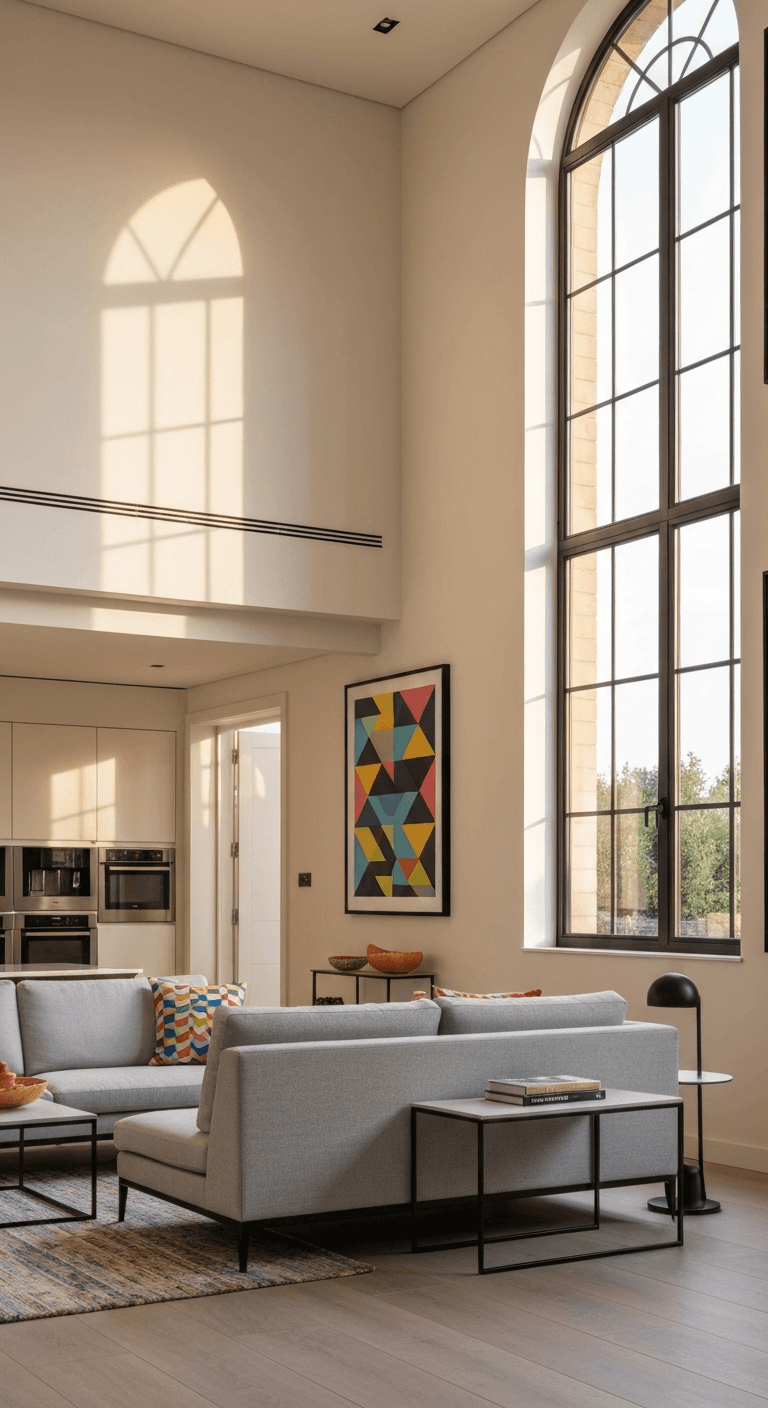
Natural light as a priority

We favour favourable solar orientations and design spaces to maximise natural light throughout the day, with direct impact on mood, circadian rhythm and ocular health.

Indoor air quality

Controlled mechanical ventilation systems, low-VOC materials and a rigorous selection of paints, varnishes and fixed furniture.

Acoustic comfort

Construction solutions that ensure insulation between units, privacy and silence, particularly in rest areas.

Connection with nature

Integration of biophilic elements — plants, natural materials, views toward green areas — across all living areas and common spaces.

Conscious materials

Preference for natural, non-toxic materials with low environmental footprint and a positive impact on both planet and user health.

Industrialisation

Industrialisation

Building the future demands building differently.

Traditional construction faces structural limits today: skilled-labour shortages, cost and schedule overruns, low quality predictability and a heavy environmental footprint. Our answer is off-site industrialised construction — producing components in a controlled factory environment, in parallel with on-site foundation work.

Speed and efficient delivery

Components are produced in the factory in parallel with foundation work, eliminating traditional sequencing and dramatically reducing weather dependence. We estimate up to 60% reduction in construction time and up to 30% in on-site labour needs.

Higher quality and precision

Moulds and automated processes guarantee greater rigour in dimensions and finishes. Controlled factory production reduces human error and ensures consistency in the quality of building elements throughout the project.

Flexibility and design innovation

Technological evolution over recent decades now allows highly customisable modular solutions with high levels of detail and aesthetic quality.

Waste reduction and environmental impact

Factory production optimises material use, significantly reducing waste and promoting more sustainable practices across every phase.

Answer to labour scarcity

The shortage of skilled professionals and rising labour costs make traditional construction less and less competitive. Industrialisation reduces dependence on on-site labour, mitigating the risks of low productivity and poor execution.

Greater predictability and cost control

Standardised processes enable more reliable estimates and rigorous budget control, reducing surprises and rework — translating into greater return predictability for our investors.

Business & Investors

Strategy, advisors and reasons to invest.